



Before the Suburbs
Long before Gwinnett became subdivisions, shopping centers and six-lane roads, Duluth was farmland, rail lines and a small-town stop. Remarkably, pieces of all three versions still sit within a few miles of one another.
The clearest glimpse of the old landscape is McDaniel Farm Park, a 134-acre former working farm where preserved buildings, open fields and walking trails hold onto a version of Gwinnett that can feel almost improbable now.
The farm offers more than an old-house photo opportunity. Its buildings and grounds preserve the shape of rural life before much of the county was carved into neighborhoods and commercial corridors. Walk the property long enough and modern Duluth starts to feel temporarily farther away than it really is.
From Farm Roads to Rail Lines
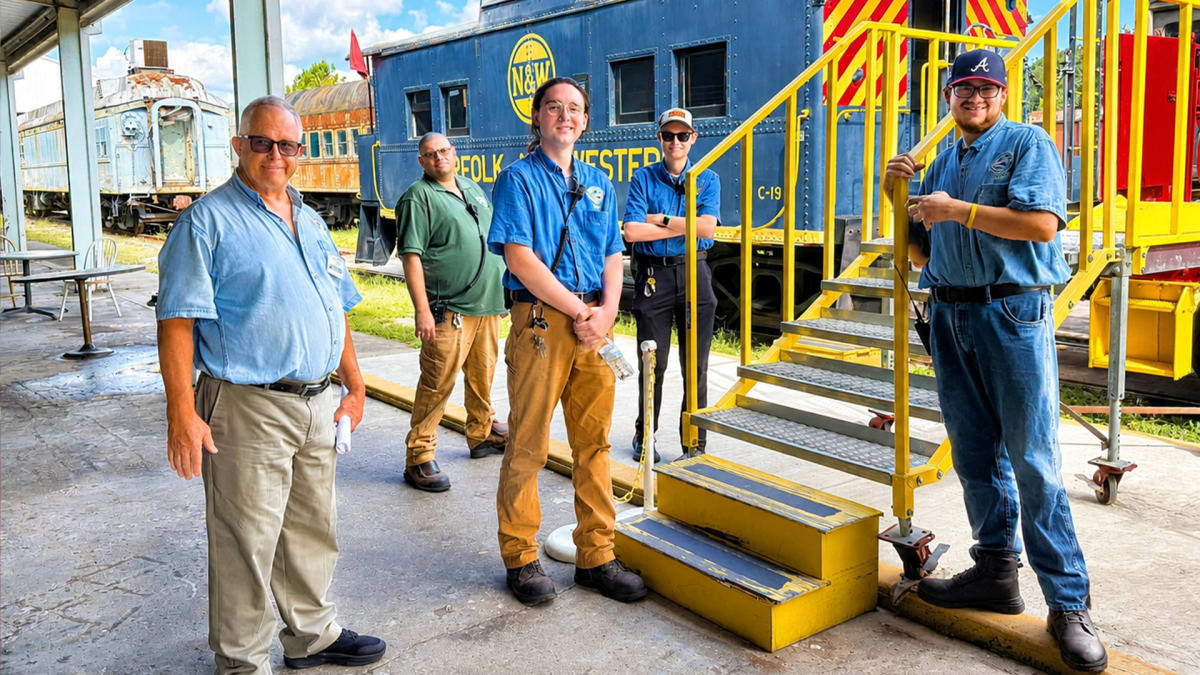
A short distance away, Southeastern Railway Museum picks up the story where the farm leaves off.
Its collection of historic locomotives, passenger cars, buses and other rolling stock recalls the transportation networks that connected communities across Georgia. If McDaniel Farm represents the county before rapid growth, the museum helps explain how places like Duluth became connected to a much larger world.
That makes the two stops feel less like unrelated attractions and more like adjacent chapters. One preserves the landscape people worked. The other preserves the machines that helped move people, goods and communities beyond it.
By the time the day reaches present-day downtown Duluth, the setting has changed again.
At Land of a Thousand Hills Coffee, locally roasted specialty coffee feels very much at home in today’s walkable downtown. Nearby, family-owned Local on North brings Metropolitan and North Georgia influences together on its menu, giving the day a distinctly current ending.
The interesting part is how little driving separates all of it.
Within the same Duluth orbit, Gwinnett’s rural past, transportation history and modern suburban life overlap instead of replacing one another completely. The county may have changed dramatically, but it did not erase every earlier version of itself.
You can still find the farm fields. You can still climb aboard the rail history. Then you can finish with coffee or dinner in the downtown that grew up around them.
For more places to explore the county with family and friends, browse the Guide to Gwinnett family recreation directory at https://www.guidetogwinnett.com/family-recreation-places.
