


Parades, Pottery and Civic Engineering
Plenty of festivals take over downtown for a weekend. Duluth’s has spent more than four decades putting money, volunteers and elbow grease back into the downtown that hosts it.
The Festival Behind the Festival
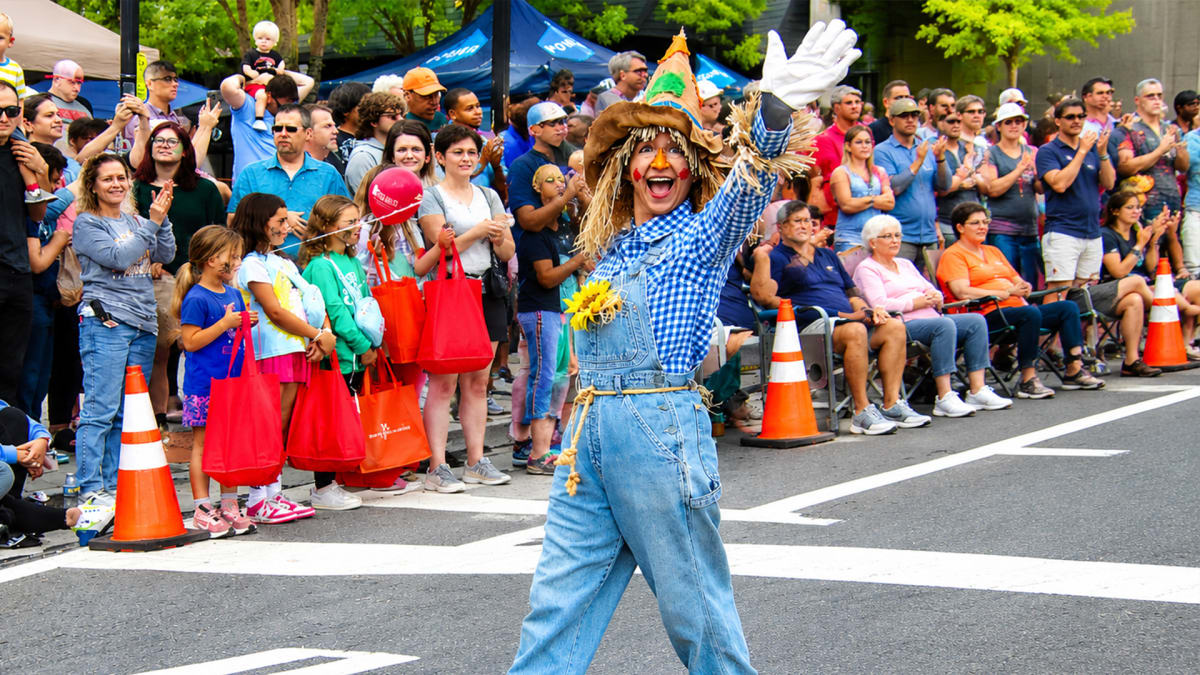
The Duluth Fall Festival returns September 26 and 27, filling downtown with the familiar ingredients of a fall weekend: a Saturday parade, live entertainment, food, handmade art and Sunday morning’s Donut Dash 5K.
What makes the event more interesting happens after everybody goes home.
The festival’s history dates to 1983, when a community celebration evolved into the annual tradition now held the last weekend of September. Today, organizing it is practically a civic operation. More than 300 volunteers handle everything from decorations and vendor logistics to committees and year-round planning.
Saturday begins with the festival parade at 10 a.m., bringing school groups, musicians, fire trucks, antique cars, dancers, community organizations and plenty more through downtown. Beyond the parade route, more than 180 arts-and-crafts vendors sell work ranging from pottery and glass to paintings, woodcrafts, jewelry and textiles. Commercial merchandise is not allowed. Everything must be handmade or hand-decorated.
That would be enough to make a busy festival. Duluth built something else around it.
When the Party Pays It Forward
From the beginning, the festival’s purpose has included improving and beautifying Historic Downtown Duluth. Over the years, proceeds have helped fund projects including the Festival Center, Taylor Park improvements, landscaping, public art, downtown lighting and the build-out of Parsons Alley.
The numbers tell the story particularly well. The organization’s accomplishments include the $1.3 million Festival Center, $250,000 toward Parsons Alley and $95,000 for improvements at Taylor Park.
In 2026, the organization lists another $100,000 contribution toward the City of Duluth’s 150th celebration, plus donations to Rainbow Village, Duluth Hands of Christ, Duluth High School programs and Planned PEThood.
So the relationship between festival and downtown has become unusually circular. Residents volunteer to stage the weekend. Crowds fill the streets. Proceeds head back into the community. Then, come September, everybody gathers in a place the festival itself helped improve.
Showing up for the party, in this case, has quite literally helped build the place hosting it.
For more celebrations worth putting on the Gwinnett calendar, see the Guide to Gwinnett directory at https://www.guidetogwinnett.com/festivals.
