



Where Progress Meets the Pavement
Big changes are taking shape along Gwinnett's State Route 316, where new interchanges, bridges, and highway connections are laying the groundwork for smoother commutes, safer travel, and a stronger economic future for one of Georgia's fastest-growing corridors.
For thousands of residents, SR 316 is part of the daily routine, connecting neighborhoods, workplaces, businesses, and communities between metro Atlanta and Athens. Now, a major transportation investment is preparing the highway for the next generation of growth.
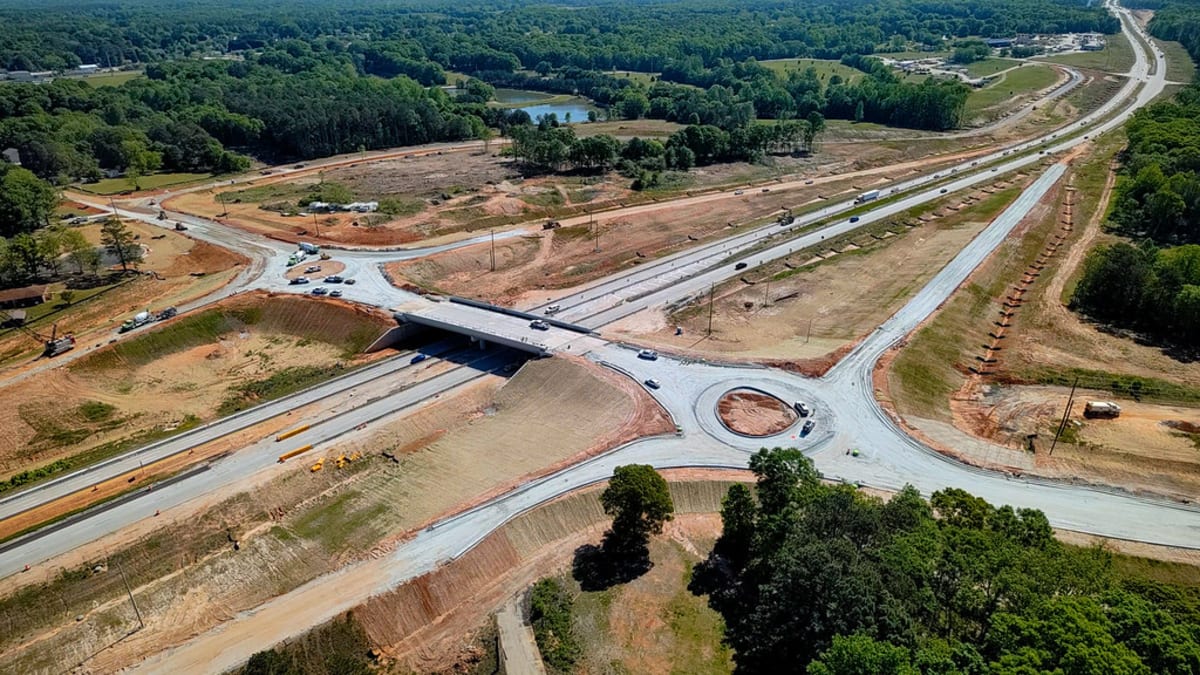
The Georgia Department of Transportation's Transforming State Route 316 initiative is gradually converting the corridor into a limited-access highway. The plan replaces traditional traffic-signal intersections with modern interchanges and redesigned connections, allowing vehicles to travel more continuously while improving safety and traffic flow.
Several projects are already underway near Lawrenceville and Dacula, where construction crews are building the infrastructure that will support those improvements.
At Hi Hope Road in Lawrenceville, a new interchange will allow local traffic to cross SR 316 without interrupting highway travel. Additional connecting lanes will help drivers move between local roads and the highway more efficiently.
Farther east, the Hurricane Trail project includes a new interchange and bridges over the CSX railroad tracks. Nearby improvements at Fence Road and Winder Highway will create updated connections designed to support both neighborhood travel and commercial traffic.
These upgrades carry particular significance for Gwinnett's business community. SR 316 serves employers, distribution facilities, retailers, and commuters throughout the region. More reliable travel times can help businesses coordinate deliveries, employees reach workplaces, and customers move between growing commercial areas.
The improvements also reflect the county's expanding role in northeast Georgia's economy. As residential neighborhoods and employment centers continue developing along the corridor, transportation infrastructure plays an important part in keeping communities connected.
For families, the potential benefits are equally meaningful. Fewer traffic signals along the highway could mean more predictable commutes, easier regional travel, and improved access to destinations between Gwinnett and Athens.
GDOT's broader plans extend through Barrow and Oconee counties, creating a coordinated approach to improving one of the region's most important east-west routes.
The work happening today represents a long-term investment in how Gwinnett will move, work, and grow. Each new interchange and roadway connection brings the corridor closer to a future built around greater mobility, stronger business connections, and safer travel.
For more organizations contributing to Gwinnett's growth and community development, explore the Guide to Gwinnett's Community Organizations directory at https://www.guidetogwinnett.com/community-organizations.
